Sustainable Solutions: How E-Waste Recycling Services Are Saving Our Planet
Electronic waste presents serious dangers to the environment, as abandoned electronic devices commonly carry harmful materials. Such dangerous compounds can pollute soil and water supplies, resulting in widespread environmental harm. E-waste recycling services present a viable solution. They successfully retrieve useful resources while simultaneously minimizing environmental pollution. Gaining insight into how these programs function and affect local communities is critical. Pursuing efficient e-waste management brings forth pressing questions regarding individual duties and shared responsibility. What measures can be pursued from this point onward?
How E-Waste Is Hurting the Planet
While technology enriches modern life, e-waste creates considerable environmental hazards. Discarded electronic devices, frequently composed of hazardous materials such as cadmium, lead, and mercury, may release harmful substances into groundwater and soil, posing risks to both wildlife and human well-being. The swift progression of technology results in higher rates of electronics disposal among consumers, worsening the buildup of electronic waste.
Landfills, already burdened with waste, struggle to accommodate the growing volumes of discarded gadgets. Incineration, a common waste management technique, emits dangerous pollutants into the environment, degrading atmospheric conditions. Furthermore, inadequate recycling methods can result in the shipment of electronic waste to underdeveloped nations, where workers may break down equipment without proper protective measures, putting themselves at risk of exposure to hazardous materials. This cycle of neglect and improper handling underscores the urgent need for sustainable recycling solutions that can mitigate the adverse effects of e-waste on the planet.
What Is E-Waste and Its Importance?
E-waste, or electronic waste, comprises unwanted electronic equipment like televisions, computers, and smartphones that are no longer functional or needed. This rapidly expanding waste category is noteworthy owing to its accelerating volume, driven by technological advancements and consumer trends. As more devices become obsolete, the environmental impact intensifies, with toxic materials such as lead, mercury, and cadmium presenting serious hazards to the environment and human well-being.
The importance of addressing e-waste lies not only in mitigating these hazards but also in recognizing the valuable materials it contains. Precious metals and rare earth elements can be recovered and reused, reducing the need for mining and conserving natural resources. Through a deeper awareness of e-waste and its consequences, both individuals and organizations can make well-informed choices regarding disposal and recycling, thereby supporting a more sustainable future. Responsible management of e-waste plays a key role in supporting a circular economy and championing environmental stewardship.
How E-Waste Recycling Works
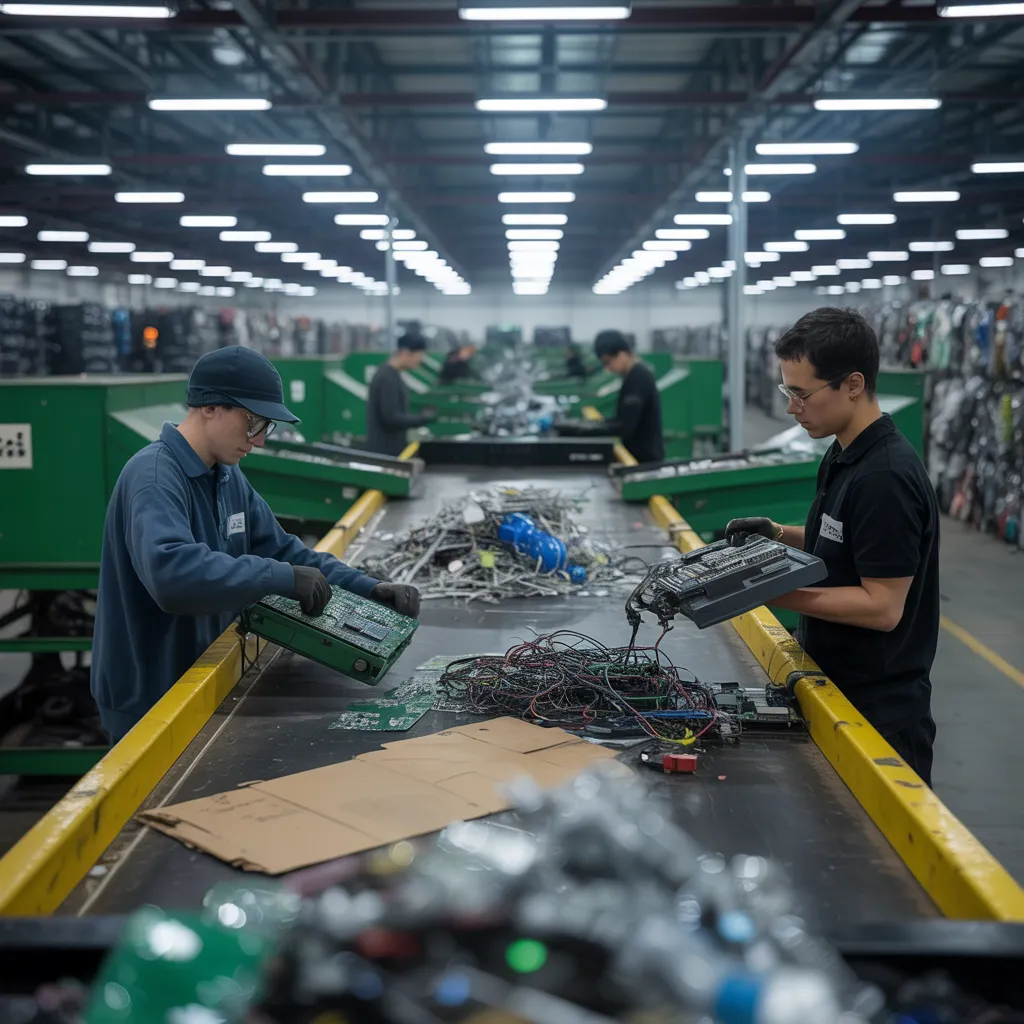
The recycling of e-waste encompasses an organized procedure designed to recover valuable materials while reducing harm to the environment. At the outset, e-waste is collected and transported to dedicated processing centers. After reaching the facility, the devices undergo thorough sorting to isolate dangerous parts from recoverable materials.
Next, specialists deconstruct the products, extracting glass, metals, and plastics. This phase is essential, as it allows for the reclamation of high-value metals like silver, gold, and copper, which can be reused in modern electronics.
Subsequently, the separated materials are treated using advanced techniques, such as shredding and specialized chemical treatments, to purify them for repurposing.
Ultimately, the residual dangerous materials are managed properly, adhering to environmental regulations. This comprehensive process not only preserves valuable resources but also mitigates the risks connected to irresponsible electronic waste disposal, ensuring a more sustainable future for electronic consumption.
Benefits of E-Waste Recycling for You and Your Community
Though many people are unaware, the benefits of e-waste recycling reach well past personal use to meaningfully influence entire communities. By responsibly disposing of electronic waste, individuals play a role in creating a safer environment, decreasing harmful substances that can leach into soil and water. This responsible method actively safeguards local ecosystems and supports public health.
Furthermore, electronic waste recycling supports workforce growth within communities. Regional recycling centers frequently need staff for various operations, from collection to processing, therefore offering work opportunities for local residents. This not only enhances the community economy but also fosters community involvement in eco-friendly practices.
Moreover, familiarity with e-waste recycling may result in learning opportunities, encouraging residents to adopt eco-friendly choices. By participating in e-waste recycling programs, individuals promote a culture of sustainability, inspiring others to join the movement. Ultimately, the shared impact of these actions can result in a more strong and environmentally aware community.
A Guide to Selecting an E-Waste Recycling Service
Choosing the best e-waste recycling service is vital for making sure that electronic waste is managed with responsibility and sustainability. Initially, individuals should check the service's certifications, such as R2 and e-Stewards certifications, which signify adherence to industry standards for safe recycling practices. It's also important to evaluate the company's reputation by checking reviews and looking for advice from dependable sources.
Next, openness in the recycling process is crucial. A reliable company should provide clear information about the manner in which e-waste is managed and how the materials are utilized. Moreover, considering the scope of services provided can prove valuable; various firms may supply retrieval services or extend benefits for recycling.
In addition, being aware of local regulations regarding e-waste disposal can further guide the selection process. By taking these elements into account, consumers can play a Read the post role in efficient electronic waste handling alongside encouraging environmentally responsible practices.
How You Can Take Part in E-Waste Recycling?
Getting involved with e-waste recycling often starts at the local level, where community recycling hubs regularly supply essential services for proper disposal. Moreover, participating in community awareness campaigns can strengthen efforts to inform others regarding the importance of proper e-waste handling. Such efforts not only promote sustainability but also build a collective sense of accountability for the environment.
Regional Recycling Centers
A wide range of community recycling facilities play an essential role in electronic waste recycling, offering communities convenient opportunities to discard electronic waste in an eco-friendly way. These hubs welcome a variety of digital devices, including old computers, smartphones, and televisions, making certain that hazardous materials are managed safely. Most centers are equipped with trained staff who are able to assist individuals with correct disposal techniques, stressing the significance of recycling instead of landfilling. Furthermore, various hubs coordinate planned drop-off gatherings or set collection days, making participation convenient for residents. By engaging with these local facilities, community members advance a circular economy, lowering environmental harm and encouraging sustainable habits. Engaging with these centers enables communities to combat e-waste pollution successfully.
Public Awareness Initiatives
Nearby organizations, schools, and enterprises can partner to arrange initiatives that encourage e-waste collection drives. Volunteers can play a pivotal role in promoting knowledge, handing out educational content, and interacting with the surrounding community. Through these collective efforts, local inhabitants gain greater awareness and encouragement to properly recycle their e-waste, thereby helping to build a greener and more sustainable tomorrow.
Answers to Your Most Common Questions
What Electronic Devices Are Eligible for Recycling?
A wide range of electronics can be recycled, including laptops, televisions, smartphones, printers, computers, and gaming consoles. Moreover, accessories such as keyboards, mice, and batteries are equally appropriate for recycling, aiding in efforts to conserve the environment.
Is There a Cost Associated With E-Waste Recycling?
Indeed, e-waste recycling can include charges, based on the provider. Some service centers apply costs for collection or processing, while others make services available at no charge, frequently supported by the sale of reclaimed components.
How Can Businesses Benefit From E-Waste Recycling?
Businesses can benefit from e-waste recycling by reducing disposal costs, enhancing their environmental image, meeting compliance standards, extracting valuable resources, and potentially generating revenue through resale, thereby fostering a more environmentally responsible business approach.
What Occurs with Data on Recycled Devices?
Information from recycled equipment is commonly permanently erased or destroyed during processing. This confirms sensitive information remains secure, preventing unauthorized access while allowing components to be repurposed safely and responsibly within new applications.
Is It Possible to Recycle Damaged Electronics?
Absolutely, defective electronics are able to be recycled. Several collection points accept damaged devices, guaranteeing responsible disposal and extraction of recoverable materials. This helps decrease the environmental footprint while supporting eco-friendly recycling methods to handle e-waste responsibly.